How to care for your sex toys: a material-by-material guide
Washing, disinfecting, drying, storage and lube: how to look after each sex toy according to its material, so it stays clean and lasts for years.
Caring for a sex toy means washing it after every use with lukewarm water and a mild soap or a dedicated cleaner, drying it completely, then storing it away from dust and heat. The right method depends above all on its material: a platinum silicone plug and a TPE sleeve are not treated the same way at all. The guide below goes through each material, with the habits that will keep your sex toys going for years.
Why look after your sex toys properly?
For two reasons that go hand in hand. Hygiene first: a poorly washed toy holds on to lube, bodily fluids and bacteria in its ridges, veins or where it meets the base. Lifespan second: a harsh product, water that is too hot or careless storage can ruin a material within a few weeks. A good quality toy that is well looked after, on the other hand, lasts a very long time and stays pleasant to touch.
Step one: know what your toy is made of
Everything starts here. The product page or the packaging always says, and it is the first thing to check before choosing a method. There are two families.
Non-porous materials
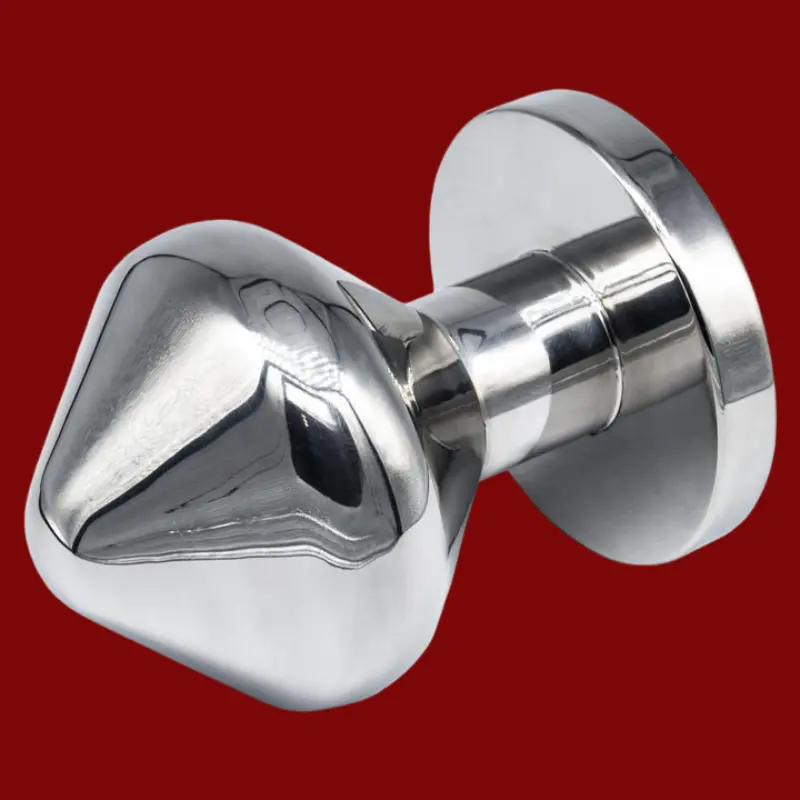
Pure silicone, including platinum silicone, stainless steel, borosilicate glass and hard plastic have a closed surface: nothing gets into the material, and careful cleaning is enough to leave them perfectly clean. These are the materials of the hand-poured models from Hankey's Toys, of steel toys and of good quality silicone plugs. They can also handle thorough disinfection.
Porous materials
TPE, TPR, PVC, jelly and so-called realistic materials are softer and gentler to the touch, but their surface is riddled with micropores. Lube and bacteria can settle in for good, and these materials can never be fully sterilised. Wash them gently, dry them for a long time and cover them with a condom whenever they are shared. This is the case for many strokers and sleeves.
| Material | Washing | Disinfecting | Lube |
|---|---|---|---|
| Pure or platinum silicone | Lukewarm water and mild soap, or a dedicated cleaner | Boiling water, if the toy has no motor | Water-based |
| Stainless steel | Lukewarm water and mild soap | Boiling water, if the toy has no motor | Any |
| Borosilicate glass | Lukewarm water and mild soap | Boiling water, without sudden temperature changes | Any |
| Hard plastic | Lukewarm water and mild soap | Dedicated cleaner | Water-based or silicone |
| TPE, TPR, PVC, jelly | Lukewarm water and mild soap, without scrubbing hard | Not possible: a condom is recommended | Water-based only |
How to clean a sex toy, step by step
- Straight after use. Lube and bodily fluids dry quickly. An immediate rinse in lukewarm water already does half the job.
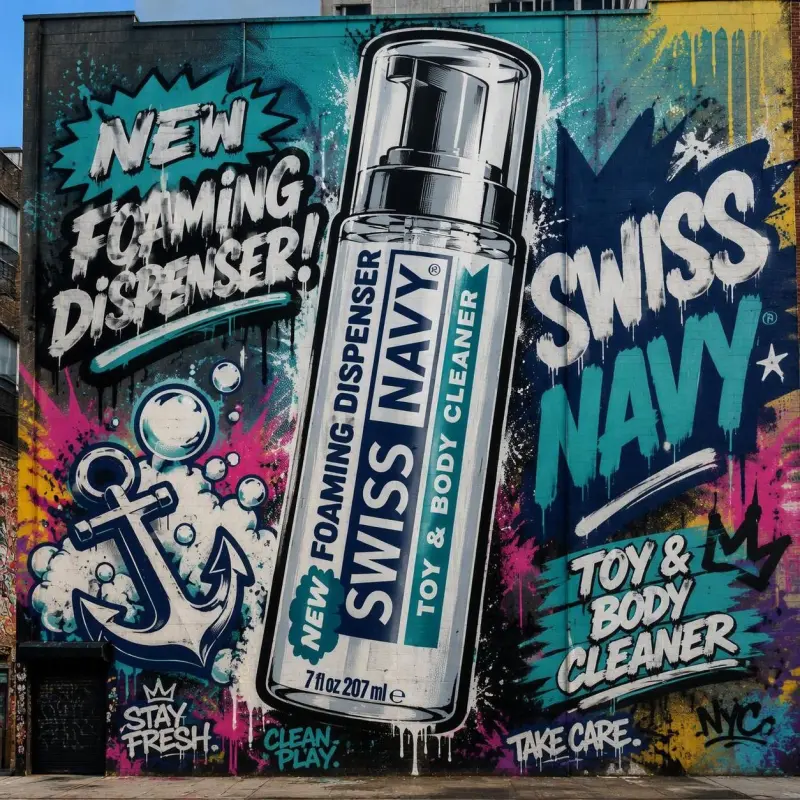
- Mild soap or a dedicated cleaner. A neutral, unscented soap, or a sex toy cleaner in spray or foam form. Pay attention to ridges, textures and the base of the toy.
- Rinse thoroughly, leaving no trace of soap, which could irritate sensitive skin.
- Dry with a clean, lint-free towel or kitchen paper, then let it finish drying in the open air.
Remember to wash a new toy before its very first use too: it has come straight from the factory and travelled in its packaging.
Disinfect from time to time
Non-porous toys without a motor, made of silicone, steel or borosilicate glass, can handle boiling water. Put them in a pan of boiling water for three to five minutes, without letting them touch the bottom, then let them cool before handling them. Some can also go in the dishwasher, on the top rack, on their own and without detergent, provided the manufacturer allows it.
Motorised toys and electrical accessories
Vibrators, remote-controlled plugs, electro-stimulation devices: never boiling water, never the dishwasher. First check whether they are waterproof. If they are, washing with soapy water is enough. If not, use a damp cloth and a no-rinse cleaner, keeping clear of the charging port and the battery compartment. Electrodes should be cleaned after every session, but the control unit must never get wet.
Strokers and sleeves
Take the sleeve out of its case whenever possible, turn it inside out if its shape allows, and run lukewarm water through it to flush out the lube. Wash with mild soap, rinse, then leave it to dry for a long time, opening facing down, until the inside is completely dry. A sleeve stored damp quickly becomes a breeding ground for mould. Some manufacturers recommend a special powder to keep the material soft: follow their instructions.
Chastity cages, leather and harnesses
A steel chastity cage is washed like a metal toy. Resin or plastic models are cleaned with lukewarm soapy water, without boiling water. Worn for several days, a cage needs a daily rinse and careful drying. Leather, for its part, never goes under the tap: a barely damp cloth, then a suitable leather milk or grease.
Drying and storing your toys properly
Storage matters as much as washing. Wait until the toy is completely dry, then slip it into a fabric pouch or a box, away from dust, direct light and heat. Avoid throwing toys made of different materials together: in contact with each other, some soft materials react, stain or turn sticky. Take the batteries out of a toy you will not be using for a long time, and recharge rechargeable models now and then.
Which lube for which sex toy?
Water-based lube is compatible with every material: it is the risk-free choice. Silicone lube stays slick for longer, but it can damage the surface of a silicone toy. Keep it for steel, glass or hard plastic, or test it first on a small, discreet area. Finally, oils and fisting grease weaken the latex of condoms and gloves: only use them with nitrile gloves.
The mistakes that ruin a sex toy
- Products that are too harsh. Neat bleach, acetone, household cleaners or alcohol on a soft material dry out, dull and weaken the surface.
- Boiling water in the wrong place. A motorised toy, or one made of TPE, PVC or jelly, will warp or stop working.
- Express drying. A hairdryer, a radiator or the sun heats the material and marks it.
- Storing toys damp or jumbled together, which encourages mould and reactions between materials.
- Sharing a porous toy without protection.
When should you replace a sex toy?
As soon as its surface is no longer intact: a crack, a cut, a tear, a sticky feel or a smell that lingers after washing. These flaws create nooks that are impossible to clean, and a material that is breaking down can cause irritation. A simple colour stain on silicone, however, is usually harmless.
Sharing your toys hygienically
A toy that goes from one partner to another is washed between each use, or covered with a condom that is changed every time. For porous materials, the condom is not optional. The same rule applies to a toy going from the backside to the mouth: wash it or change the condom first.
Frequently asked questions
Can you boil a silicone sex toy?
Yes, if it is pure silicone and has no motor: three to five minutes in boiling water, without touching the bottom of the pan. Never for a motorised toy or one made of a porous material.
Can you put a sex toy in the dishwasher?
Only if it is non-porous, has no motor and the manufacturer allows it: on the top rack, on its own and without detergent. If in doubt, lukewarm soapy water is more than enough.
What should you clean a sex toy with?
With lukewarm water and a mild, unscented soap, or with a dedicated sex toy cleaner, which is handy when there is no water nearby. Household cleaners and bleach are best avoided.
How do you clean a TPE sex toy?
With lukewarm water and mild soap, without scrubbing hard and without alcohol. Dry it for a long time and store it separately. TPE cannot be sterilised: use a condom whenever it is shared.
How can I tell if my sex toy is porous?
The product page says so: pure silicone, steel, glass and hard plastic are non-porous, while TPE, TPR, PVC, jelly and realistic materials are porous. A toy that is very soft, slightly sticky or holds on to smells often is.
Can you store several sex toys together?
Yes, as long as each one has its own pouch. In direct contact, some soft materials react with each other and break down.
Which lube should you use with a silicone sex toy?
A water-based lube. Silicone lube can damage the surface of the toy: if you really want to use it, test it first on a small area.
Health information. A poorly cleaned toy can encourage infections, and sharing a toy without a condom can pass on sexually transmitted infections. If you notice irritation, itching or any reaction after use, stop using the toy and ask a doctor or pharmacist for advice. This guide does not replace medical advice.
Products in this guide
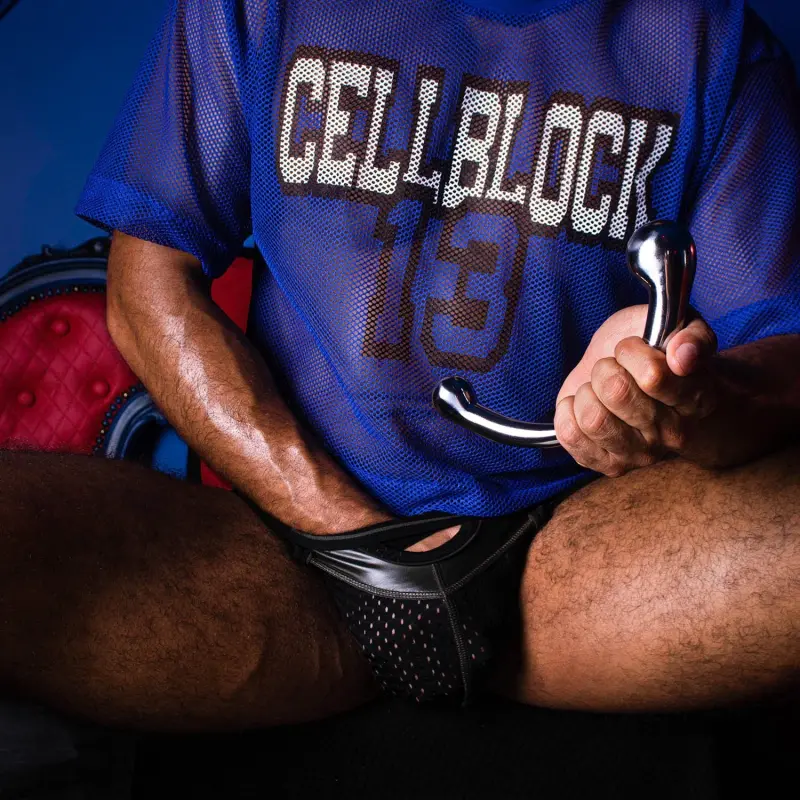

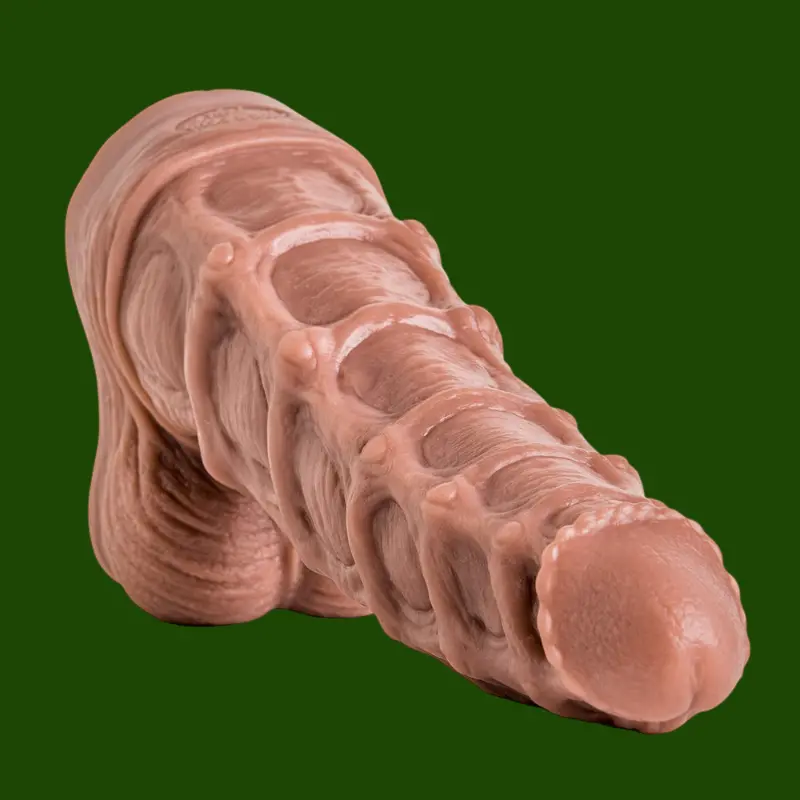

- -40%